- Tel: +8613911709825 /
- Email: ry@rays-casting.com /


-
Business PhilosophyCustomer Focus Customer Trust
-
ValuesResponsibility enterprise quality sustainability
-
Quality philosophyCraftsmanship creates excellent quality and defines the future
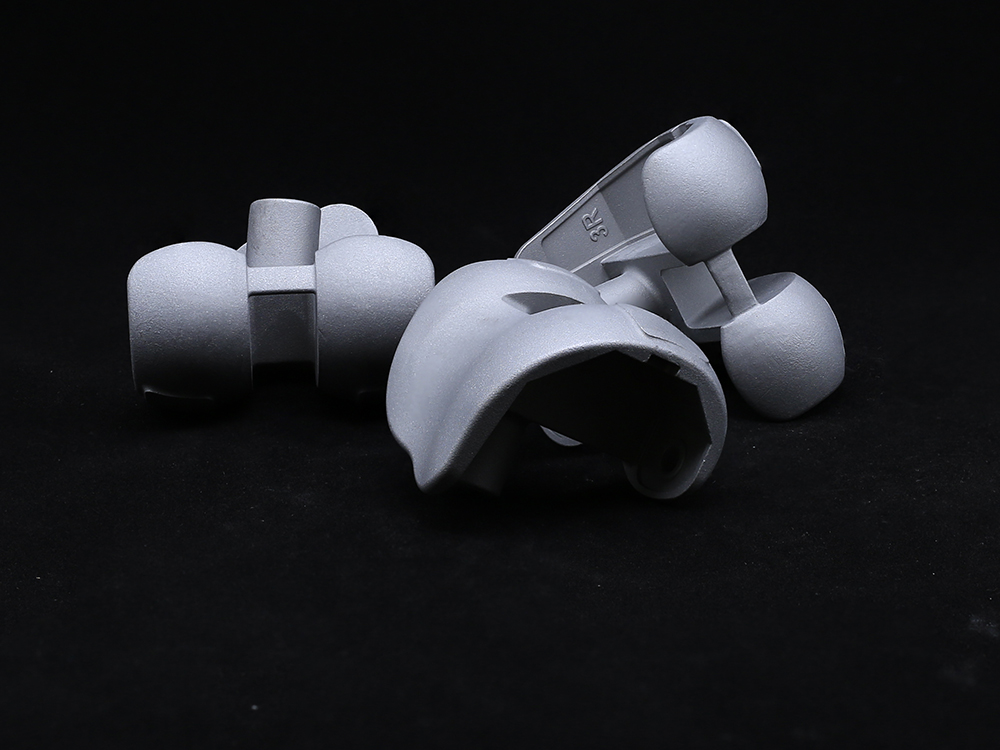
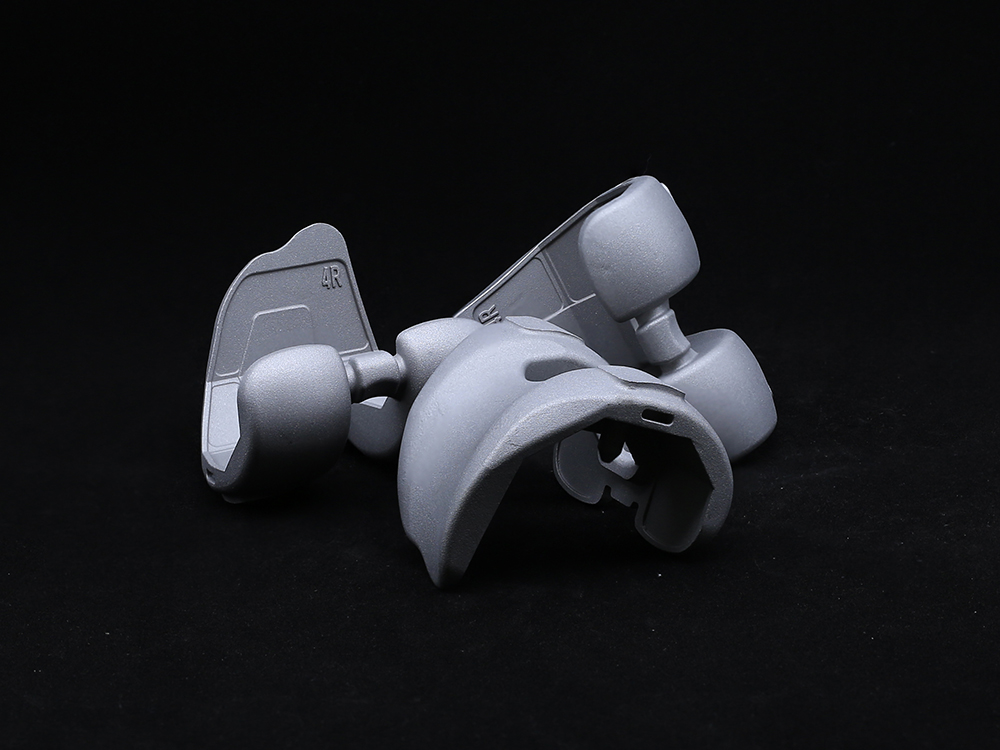


femur ball and socket joint
Introduction to Precision Ball Heads In the realm of advanced mechanical engineering and industrial applications, the Ball Head serves as a critical component for articulating motion, providing robust support, and enabling precise adjustment across various axes. These intricately designed spherical joints are foundational to systems requiring high degrees of freedom, load-bearing capability, and consistent performance in demanding environments. From heavy industrial machinery to delicate optical instruments, the integrity and precision of a Ball Head are paramount to operational efficiency and safety. This article delves into the intricacies of Ball Head technology, exploring its manufacturing, applications, technical merits, and market dynamics. Industry Trends in Ball Head Technology The market for precision components like the Ball Head is continuously evolving, driven by advancements in materials science, manufacturing automation, and the increasing demand for enhanced performance in extreme operating conditions. Current trends indicate a significant shift towards lighter, stronger, and more corrosion-resistant materials, such as advanced stainless steels, high-strength alloys, and even ceramic composites, to extend service life and reduce maintenance. Furthermore, the integration of smart manufacturing principles, including IoT-enabled predictive maintenance and AI-driven quality control, is optimizing production processes, ensuring higher consistency and traceability. Another key trend is the development of self-lubricating Ball Head designs, reducing the need for external lubrication and minimizing wear in applications where access for maintenance is challenging. Miniaturization, coupled with increased load capacity, is also a growing demand, especially in robotics and medical devices where compact, powerful articulation is essential. Sustainability initiatives are pushing for more energy-efficient manufacturing processes and the use of recyclable materials, aligning with global environmental standards. Detailed Process Flow of Ball Head Manufacturing The production of a high-quality Ball Head involves a multi-stage, precision-engineered process, combining material science with advanced manufacturing techniques to ensure durability, accuracy, and performance. 1. Materials Selection The foundation of a reliable Ball Head is the selection of appropriate materials. Common choices include high-grade stainless steels (e.g., AISI 304, 316, 440C for corrosion resistance and hardness), alloy steels (e.g., 4140, 8620 for strength and fatigue resistance), and specialized bronzes or brass for specific applications requiring reduced friction or non-magnetic properties. The material choice is dictated by the intended application's load, environmental conditions (temperature, corrosive agents), and desired service life. For instance, in petrochemical applications, 316L stainless steel is often preferred due to its superior corrosion resistance against chlorides. 2. Initial Forming (Casting or Forging) Depending on the design complexity, material, and volume, the initial form of the Ball Head components (ball and socket) is achieved through either casting or forging: Casting: Precision casting methods like investment casting are used for complex geometries and allow for near-net-shape components, reducing subsequent machining. This process involves creating a ceramic mold around a wax pattern, which is then melted out, leaving a cavity for molten metal. It's suitable for various alloys and can produce intricate internal structures. Forging: Forging, particularly hot forging, is employed for components requiring superior mechanical properties, such as increased strength, toughness, and fatigue resistance. This process involves shaping metal through localized compressive forces, refining the grain structure, and eliminating internal voids. It is ideal for high-stress applications in heavy machinery. 3. CNC Machining Following initial forming, Computer Numerical Control (CNC) machining is critical for achieving the precise dimensions, surface finishes, and intricate features of the Ball Head . Multi-axis CNC lathes and milling machines are used to create the spherical surfaces of the ball and the corresponding socket, ensuring extremely tight tolerances (often within micrometers). This stage also includes machining threads, bores, and other mounting features. The precision of CNC machining directly impacts the rotational smoothness and load-bearing capacity of the final product. 4. Heat Treatment For steel components, various heat treatment processes are applied to enhance mechanical properties: Hardening: Increases hardness and wear resistance. Tempering: Reduces brittleness while maintaining hardness. Case Hardening (Carburizing/Nitriding): Creates a hard surface layer while maintaining a tough core, ideal for wear-prone surfaces of the Ball Head . 5. Surface Finishing and Coatings To further enhance performance and extend service life, components undergo surface finishing. This can include grinding, lapping, and polishing to achieve exceptionally smooth spherical surfaces, minimizing friction and wear. Specialized coatings are often applied: Chrome Plating: For hardness and corrosion resistance. Nickel Plating: For corrosion protection and aesthetics. PTFE/Polymer Coatings: For self-lubricating properties and reduced friction. Black Oxide: For minor corrosion resistance and reduced glare. 6. Assembly and Final Inspection The individual components are then meticulously assembled. Lubricants, seals, and retention mechanisms are integrated as per design. Each assembled Ball Head undergoes rigorous quality control, adhering to international standards such as ISO 9001 for quality management systems and specific material standards (e.g., ASTM, DIN). Performance tests include load capacity verification, rotational torque measurement, and dimensional accuracy checks. ISO 10218 standards for industrial robots may also be referenced for specific applications. Simplified Process Flow Schematic: Ball Head Manufacturing Process ▸ Material Selection (Steel, Alloy, Bronze) ▸ Initial Forming (Casting / Forging) ▸ CNC Precision Machining ▸ Heat Treatment (Hardening, Tempering) ▸ Surface Finishing & Coatings ▸ Assembly & Lubrication ▸ Final Testing & Quality Control (ISO, ANSI) Target Industries & Service Life The robust design and meticulous manufacturing of Ball Head components ensure exceptional service life, typically ranging from 5 to 20 years or more, depending on operating conditions and maintenance schedules. Target industries include: Petrochemical: For precise valve articulation, pipeline support, and sensor positioning in harsh, corrosive environments. Metallurgy: In heavy machinery for metal forming, rolling mills, and material handling, where high loads and temperatures are common. Water Supply & Drainage: In pump systems, filtration equipment, and flow control mechanisms, requiring corrosion resistance and reliable operation in wet conditions. Robotics & Automation: For robotic arms, grippers, and end-effectors where precise, multi-axis movement is critical. Medical Devices: In surgical tools and diagnostic equipment requiring sterile, precise, and durable articulation. Aerospace: In control linkages and structural components where reliability and weight reduction are paramount. Advantages in Typical Application Scenarios Energy Saving: Precision-machined and optimally lubricated Ball Head components reduce friction and energy loss in mechanical systems, leading to lower operational costs and enhanced system efficiency. For example, in a robotic arm, smooth articulation powered by efficient ball joints minimizes motor strain. Corrosion Resistance: Utilizing materials like 316L stainless steel and specialized coatings ensures longevity in corrosive environments, such as offshore oil rigs or wastewater treatment plants. This significantly reduces premature failure and the need for frequent replacements, saving maintenance costs and downtime. Enhanced Precision: The tight tolerances achieved through CNC machining allow for highly accurate positioning and repeatable motion, critical in applications like optical alignment systems or scientific instrumentation. Technical Specifications and Parameters Understanding the critical technical specifications of a Ball Head is essential for proper selection and integration into industrial systems. These parameters dictate performance, durability, and suitability for specific applications. Key Parameters Explained: Static Load Capacity (C0): The maximum static radial load a Ball Head can withstand without permanent deformation. Measured in kN or lbs. Dynamic Load Capacity (C): The radial load which, if constant in magnitude and direction, would result in a basic rating life of one million revolutions. This is crucial for applications with continuous movement. Measured in kN or lbs. Rotation Angle (±): The maximum angular displacement the ball can achieve within its socket before reaching mechanical limits. Typically expressed in degrees. Material Hardness: Measured in Rockwell (HRC) or Vickers (HV), indicating resistance to indentation and wear. For example, a hardened steel ball might range from 58-62 HRC. Precision Class: Defined by international standards (e.g., ISO, ANSI, ABMA), indicating the manufacturing tolerances and runout. Higher precision classes (e.g., P4 or P2) denote tighter tolerances and superior accuracy, suitable for high-speed or highly sensitive applications. Operating Temperature Range: The temperature spectrum within which the Ball Head is designed to operate without degradation of materials or lubricants. Corrosion Resistance: Indicated by material grade (e.g., 304, 316L stainless steel) and/or surface coatings, vital for harsh chemical or marine environments. Torque Capacity: The maximum rotational force the joint can transmit or resist. Typical Product Specification Table (Example): Parameter Value/Description Unit/Standard Nominal Bore Diameter 25 - 100 mm Static Load Capacity (C0) 20 - 300 kN Dynamic Load Capacity (C) 10 - 150 kN Max. Allowable Rotation Angle ± 15 - ± 30 Degrees Material (Ball) Chrome Steel (100Cr6) / Stainless Steel (AISI 304/316L) EN 100Cr6 / ASTM Material (Housing) Low Carbon Steel / Stainless Steel / Cast Iron ASTM A36 / A536 Operating Temperature -30 to +120 °C Surface Treatment Zinc Plating, Black Oxide, Chrome Plating ISO 2081, MIL-DTL-13924D Lubrication Grease (Lithium Complex) / Self-lubricating Liner Note: Specific parameters vary significantly based on the manufacturer, design, and intended application. Always consult detailed product datasheets. Application Scenarios for Ball Heads The versatility and robust performance of the Ball Head make it indispensable across a vast array of industrial and commercial applications: Petrochemical Industry: Used in valve linkages, instrument mounting, and pipeline stress articulation points. Their ability to handle high pressures, extreme temperatures, and corrosive media is critical for safety and operational continuity in refineries, chemical plants, and offshore platforms. Metallurgy & Mining: Essential components in heavy machinery such as excavators, cranes, conveyor systems, and crushing equipment. Here, Ball Head joints provide robust articulation under immense dynamic and static loads, often exposed to abrasive dust and high temperatures. Water Supply & Drainage Systems: Employed in pump systems, sluice gates, water treatment facilities, and irrigation equipment. The corrosion-resistant variants ensure long-term, reliable operation in constantly wet or submerged conditions. Robotics & Industrial Automation: A cornerstone of robotic arms, end-effectors, and automated assembly lines. They provide the multi-axis freedom and precision required for complex movements, allowing robots to perform intricate tasks with accuracy and repeatability. Automotive Sector: Integral to suspension systems, steering mechanisms, and control linkages. Automotive-grade Ball Head joints are designed for high durability, fatigue resistance, and smooth operation over the vehicle's lifespan. Medical and Pharmaceutical Equipment: Found in examination tables, surgical robots, diagnostic imaging devices, and laboratory automation. They facilitate precise positioning and articulation, often requiring materials that can withstand sterilization processes. Renewable Energy: Used in solar panel tracking systems and wind turbine pitch control mechanisms, where they endure constant motion and environmental exposure while maintaining precise alignment. In each scenario, the specific design and material of the Ball Head are tailored to meet the unique challenges of the environment, whether it's extreme load, corrosive agents, high temperatures, or the need for ultra-high precision. Technical Advantages of High-Quality Ball Heads Investing in expertly engineered Ball Head components offers numerous technical advantages that translate directly into operational benefits and cost savings for B2B enterprises: Superior Load-Bearing Capacity: Designed and manufactured with high-strength materials and optimized geometries, advanced Ball Head joints can support significant static and dynamic loads, preventing premature failure and ensuring system stability even under stress. Exceptional Durability and Service Life: Through rigorous material selection, advanced heat treatments, and precision surface finishes, these components offer extended operational lifespans. This reduces the frequency of replacements, lowers maintenance costs, and minimizes operational downtime. High Precision and Accuracy: CNC machining to tight tolerances ensures minimal backlash and precise articulation, which is vital for applications requiring accurate positioning, such as in robotics, optical systems, and scientific instruments. This precision enhances the overall performance and quality of the end product or process. Excellent Corrosion and Wear Resistance: The use of corrosion-resistant alloys (e.g., specific stainless steels) and advanced coatings (e.g., hard chrome, specialized polymers) protects the Ball Head from harsh environmental factors, including chemicals, moisture, and abrasive particles. This is crucial for applications in marine, chemical, or mining sectors. Wide Operating Temperature Range: Engineered with materials and lubricants capable of withstanding extreme temperatures, high-quality ball heads maintain their performance characteristics in both cryogenic and high-heat industrial environments. Reduced Friction and Smooth Operation: Precision ground surfaces and effective lubrication (either integrated or externally applied) minimize friction, leading to smoother articulation, lower energy consumption, and reduced heat generation. This contributes to energy efficiency and component longevity. Versatility and Adaptability: Available in a wide range of sizes, materials, and configurations (e.g., male, female threads, different housing types), allowing for seamless integration into diverse mechanical systems and specialized applications. Vendor Comparison: Selecting the Right Ball Head Manufacturer Choosing the right manufacturer for Ball Head components is critical for ensuring product quality, reliability, and value. This decision involves evaluating several key factors beyond just price. Key Criteria for Vendor Selection: Manufacturing Expertise: Look for vendors with extensive experience in precision machining, material science, and quality control specific to spherical plain bearings or similar articulated joints. Quality Certifications: Adherence to international standards such as ISO 9001, AS9100 (aerospace), or IATF 16949 (automotive) indicates a commitment to quality management. Product-specific certifications (e.g., for material traceability) are also important. Material Range and Customization: A broad offering of materials and the ability to provide customized solutions (dimensions, coatings, special alloys) are signs of a flexible and capable manufacturer. Testing and Validation: Reputable vendors perform comprehensive in-house testing (e.g., fatigue testing, load testing, corrosion resistance) and provide verifiable test data. Technical Support and Engineering Assistance: Availability of expert engineering teams to assist with design, application specifics, and troubleshooting. Lead Time and Supply Chain Reliability: Consistent lead times and a robust supply chain are crucial for managing project schedules and production flows. Warranty and After-Sales Service: Clear warranty policies and responsive customer support demonstrate confidence in their products. Vendor Comparison Table (Illustrative): Feature/Criterion Vendor A (Premium) Vendor B (Mid-Range) Vendor C (Economy) Certifications ISO 9001, AS9100, IATF 16949 ISO 9001 Basic Quality Control Material Options Wide (Alloys, SS, Ceramics, Custom) Standard (Steel, SS) Limited (Standard Steel) Customization High (Design, Coatings, Specs) Moderate (Dimensions, Coatings) Low (Standard Sizes Only) Technical Support Full Engineering & Design Support Basic Application Support Product Data Sheets Only Typical Lead Time (Std. Order) 4-6 Weeks 6-8 Weeks 8-12 Weeks Warranty 2-5 Years, Performance Guarantees 1 Year Standard 6 Months (Limited) Pricing Premium Competitive Lowest Customized Ball Head Solutions Many industrial applications demand more than off-the-shelf components. Leading manufacturers offer comprehensive customization services for Ball Head components, tailoring them precisely to unique operational requirements. This bespoke approach ensures optimal performance and seamless integration, leading to enhanced system efficiency and longevity. Customization options can include: Special Materials: Beyond standard steels, options extend to exotic alloys for extreme temperatures (e.g., Inconel), medical-grade stainless steels (e.g., 316LVM), or specific plastics/ceramics for non-magnetic or electrically insulating needs. Proprietary Coatings: Custom surface treatments like DLC (Diamond-Like Carbon) for ultra-low friction, specialized PTFE-based coatings for self-lubrication in sterile environments, or advanced ceramic coatings for extreme wear resistance. Unique Geometries and Dimensions: Adapting bore sizes, external housing dimensions, thread types (e.g., metric, imperial, fine pitch), or integrating additional features like mounting flanges or sensor housings. Integrated Sealing Solutions: Designing custom seals (e.g., high-temperature elastomers, specific lip seal configurations) to protect against contaminants (dust, water, chemicals) in challenging environments. Optimized Lubrication: Pre-filling with specific greases or oils suitable for the operating environment (e.g., food-grade lubricants, low-temperature greases) or incorporating self-lubricating liners. Load and Performance Tuning: Engineering for specific load capacities (static, dynamic), maximum rotation angles, and required operational torque to match precise application demands. Engaging with manufacturers that offer robust engineering support and a proven track record in customized solutions ensures that the final Ball Head component is perfectly aligned with the client's complex technical specifications and performance expectations, often resulting in superior system performance and extended component life compared to generic alternatives. Application Case Studies Case Study 1: Enhanced Efficiency in Pipeline Flow Control Client: A leading petrochemical refinery in the Gulf Coast. Challenge: The refinery experienced frequent failures of standard articulation joints in their automated valve control systems due to constant vibration, exposure to corrosive sulfur compounds, and high operational temperatures (up to 150°C). This resulted in significant downtime, maintenance costs, and risks to process stability. Solution: We provided custom-engineered Ball Head joints fabricated from AISI 316L stainless steel, featuring a specialized PTFE-based composite liner for self-lubrication and enhanced chemical resistance. The design incorporated a sealed housing to prevent ingress of process fluids and atmospheric contaminants. Dynamic load capacity was optimized for the specific valve actuation cycles. Results: Post-implementation, the new Ball Head units demonstrated a 70% reduction in articulation joint failures over a 3-year period. Operational efficiency improved by 12% due to consistent valve response and reduced frictional losses. Maintenance expenditures related to these components decreased by 60%, yielding an estimated annual savings of $150,000 for the refinery. Case Study 2: Extending Lifespan in Heavy Mining Equipment Client: A large-scale open-pit mining operation in Western Australia. Challenge: The steering and suspension linkages of heavy-duty haul trucks were failing prematurely (average lifespan of 6-8 months) due to extreme shock loads, abrasive dust ingress, and constant exposure to moisture and aggressive mining chemicals. The high frequency of replacements led to substantial operational disruptions and safety concerns. Solution: We designed a heavy-duty Ball Head with a forged alloy steel ball and housing, subjected to intensive case hardening and a specialized anti-corrosion coating. The spherical surface was precision-ground and paired with a high-performance polymer liner, optimized for dust exclusion and impact resistance. Enhanced seals were also integrated to prevent abrasive particle ingress. Results: Following a pilot installation and subsequent fleet-wide deployment, the average service life of the Ball Head components increased to 24-30 months, representing a 300% improvement. This translated to a 75% reduction in unplanned downtime for steering/suspension joint maintenance, boosting fleet availability by 8%. The client reported a significant increase in operator confidence and reduced spare parts inventory costs. Frequently Asked Questions (FAQ) Q1: How do I choose the correct Ball Head for my application? A: Selection depends on several factors: static and dynamic load requirements, maximum angular movement, operating temperature range, environmental conditions (e.g., corrosion, dust), required precision, and desired service life. Consult our technical team with your application parameters for precise recommendations. Q2: What is the typical service life of a Ball Head? A: The service life varies greatly based on load, operating speed, environmental conditions, and maintenance. High-quality Ball Head components can last from 5 to 20+ years in properly maintained systems within their specified operating parameters. Q3: Can Ball Heads be customized for specific needs? A: Yes, extensive customization is available. This includes special materials, unique dimensions, specific surface coatings, integrated sealing solutions, and optimized lubrication for niche applications. Our engineering team specializes in developing bespoke solutions. Q4: What maintenance is required for Ball Heads? A: Maintenance depends on the type. Self-lubricating Ball Head units require minimal maintenance. Those with grease fittings require periodic re-lubrication as per manufacturer guidelines and application conditions. Regular inspection for wear and damage is always recommended. Lead Time, Fulfillment, and Warranty Commitments We understand the critical importance of timely delivery and reliable after-sales support for our B2B clients. Our commitments are designed to foster long-term partnerships built on trust and efficiency: Lead Time: For standard Ball Head products, typical lead times range from 4-6 weeks, subject to current production schedules and order volume. Custom orders will have specific lead times quoted based on design complexity, material availability, and manufacturing processes, usually ranging from 8-12 weeks. Expedited options may be available upon request. Fulfillment: We operate a robust supply chain and logistics network to ensure reliable and efficient delivery worldwide. All shipments are meticulously packaged to prevent damage during transit, and comprehensive tracking information is provided. We work with trusted carriers and can accommodate specific shipping requirements. Warranty: Our Ball Head products are backed by a comprehensive 1-year warranty against manufacturing defects and material failures under normal operating conditions. Extended warranty options and performance guarantees can be discussed for specific high-volume or critical applications, reflecting our confidence in product quality and longevity. Customer Support and After-Sales Service Our commitment to our clients extends far beyond the point of sale. We provide dedicated customer support and comprehensive after-sales services to ensure seamless operation and maximize the value of your investment in our Ball Head components: Technical Assistance: Our team of experienced engineers is available to provide expert technical assistance, from initial product selection and integration advice to troubleshooting and performance optimization. Responsive Support Channels: Clients can reach us via dedicated phone lines, email support, or through our online portal for prompt responses to inquiries. Spare Parts and Replacements: We maintain a stock of common spare parts and components to facilitate quick replacements and minimize downtime. On-Site Consultation (as required): For complex installations or performance issues, our specialists can provide on-site consultation and support, ensuring optimal functionality of our Ball Head products within your systems. Training and Documentation: We offer detailed product documentation, installation guides, and, upon request, training sessions for your technical staff to ensure correct handling, installation, and maintenance procedures. We pride ourselves on building lasting relationships with our clients through superior product quality and unparalleled customer service. Your operational success is our priority. Conclusion The Ball Head is far more than a simple articulating joint; it is a precision-engineered component vital to the functionality and longevity of countless industrial and advanced mechanical systems. From the meticulous selection of materials and advanced manufacturing processes like casting, forging, and CNC machining, to rigorous testing against ISO and ANSI standards, every step ensures a product of unmatched quality. Its technical advantages, including superior load capacity, exceptional durability, and resistance to harsh environments, directly translate into operational efficiency, reduced maintenance costs, and enhanced safety for B2B applications across petrochemical, metallurgy, water management, and robotics industries. As industrial demands continue to evolve, the development of customized solutions and robust after-sales support further solidifies the role of the high-quality Ball Head as an indispensable asset in modern engineering. References ISO 9001:2015 - Quality management systems - Requirements. International Organization for Standardization. ASTM International. Various material and testing standards, including those for stainless steels and alloys. SKF. (2023). Spherical plain bearings – General catalogue. SKF Group. DIN EN 100Cr6 - Bearing steels - Chromium-alloyed. Deutsches Institut für Normung. ASM Handbook, Volume 5: Surface Engineering. ASM International.
-
9FIELD EXPERIENCE
-
10 +TECHNICAL TALENTS
-
-
-
100 %CUSTOMER SATISFACTION
-
100 +SATISFIED CUSTOMER
-
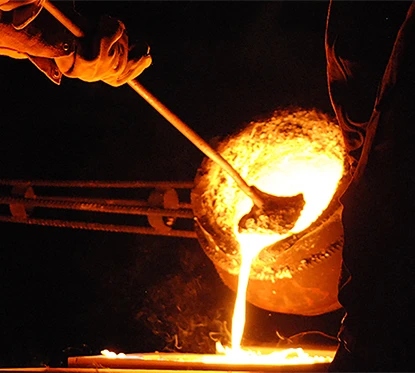
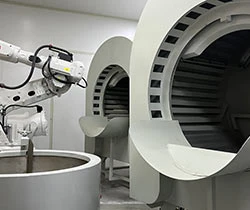
01Advanced Production Technology and EquipmentUse high-performance casting equipment and furnaces, such as vacuum induction melting, investment casting and other technologies, to ensure melting precision and casting quality.
-
02Professional Technical Support ServicesWith a professional technical team and complete technical support services, we can provide customers with satisfactory products and customized processing services.
-
03Strict Production Management NormsEstablish a sound quality management system, formulate perfect production operation procedures, implement strict production process control and product quality inspection, in order to achieve the goal of high-quality casting.
Quick Response And Adequate Technical Support
Visit Hebei Ruiyi Yuan Tong Technology Co., Ltd. — a professional manufacturer specializing in high-quality joint replacement components including femoral condyles, acetabular cups, tibial plates, and more.

china
Türkiye
India
Russia
Germany
USA
Switzerland
Argentina
NEWS
-
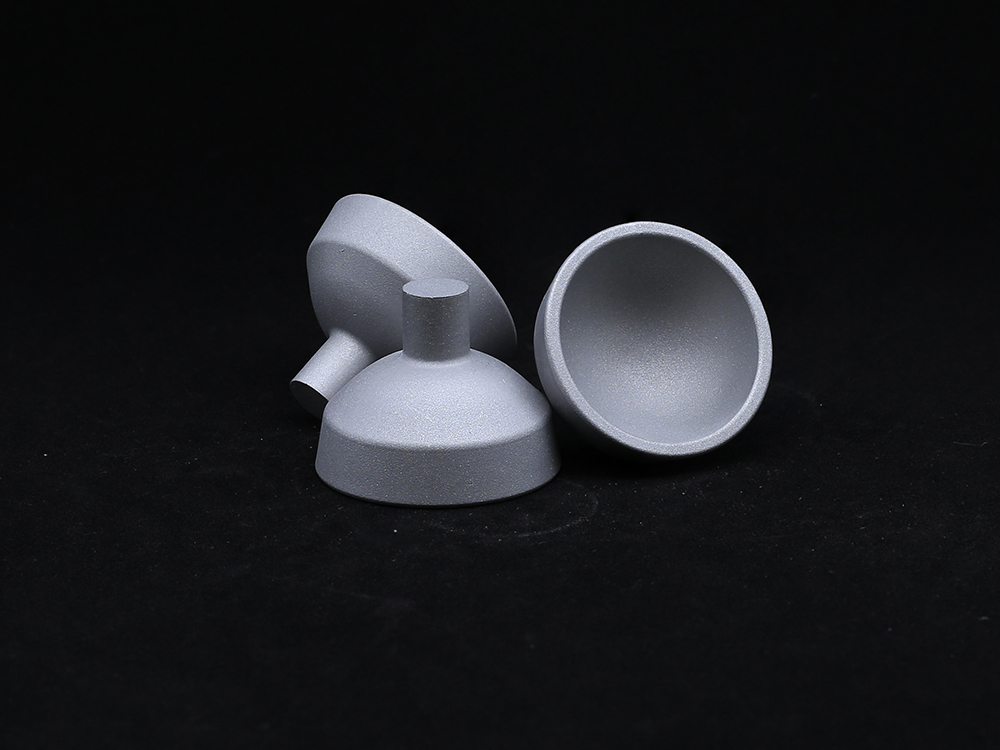
2026-04-04 21:512026-04-04 21:51Talus-Cobalt-Chromium-Molybdenum Alloy Ankle Joint Blank-Hebei RuiYiYuanTong Technology Co., Ltd._HiProduct Overview The Talus is a cutting-edge cobalt-chromium-molybdenum (CoCrMo) alloy ankle joint b>
-
2026-04-04 21:162026-04-04 21:16Precision Humeral Head Implants & Repair SolutionsOptimizing Industrial Performance with Advanced Components In diverse industrial sectors, the demand>

-
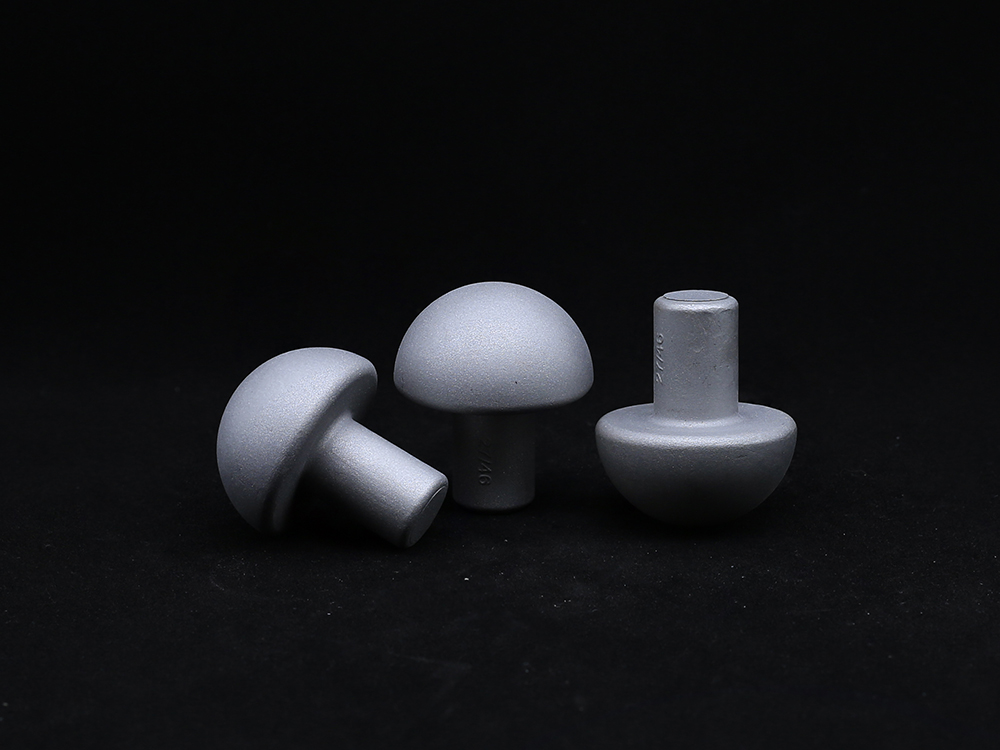
2026-04-04 19:362026-04-04 19:36Acetabular Cup - Hebei RuiYiYuanTong_Durable Hip Joint Solution&Biocompatible ImplantThe Acetabular Cup is a cutting-edge artificial joint solution designed to restore mobility and impr>
Get a Custom Solution!
Contact Us To Provide You With More Professional Services


